Saturday, March 17, 2012

Got Collards?

The weather has been unbelievably warm for more days than not over the past two weeks – I felt like planting tomatoes! As it is, my collards wintered over and one plant is producing enough leaves that I’ll probably harvest a bunch shortly to simmer with ham and potatoes.

Each year a leave a few things in the ground over the winter for the rabbits, whom I spy from time to time in the depths of night nibbling in the beds after a trek over our snow-covered yard. This year, I left the Swiss chard and some collards. The chard has been composted. The collards remain. And the rabbits have moved on to tender spring shoots and leaves elsewhere.

I am dying to start planting my garden beds anew. However, I needed to amend the soil. I turned to an old mine and struck gold: rich, organic matter that I call Black Gold. I top-dressed my beds this week with steaming black humus from the town.

Every year, my town makes available composted leaves to its residents. All you have to do is pick it up at the Department of Public Works. I wait for it all winter, and once it’s in come Spring, I hit the road to pick-up a trunk load or two of it. But this year, I’m shoveling humus into bags and bins like there’s no tomorrow. And it never ceases to disappoint.

The humus was actually steaming. It was very warm to the touch, alive in fact. I love this stuff! So do the plants. And not just the crops. For example, top dress around the trunks or bases of your evergreens, in a circle at least the width of the plant in spring and fall. It’s free, natural and healthy “food” for them.

The overhead shot of the long, oval beds shows two of the three for summer production. They are, for now, just top dressed with about six inches of the composted leaves. With the DPW yard’s limited hours, my main goal over the past week of 70-degree weather was simply to back into the dirt bay, fill the bins and bags in the trunk of my car, unload, spread, and head back for more before the yard closes at 3:00 p.m. and I need to pick up my daughter from school. The yard doesn’t have weekend hours until mid-May, and that’s just too late in the season for me. And anyway, it feels great to get down and dirty again!

I’d already applied a layer of dehydrated, composted manure; the humus is icing on the cake. In the coming weeks, wielding a pitchfork, I’ll turn all of the soil over and integrate the amendments
thoroughly. It’s an old-fashioned but tried and true way of doing things, but the aches and pains are well worth it: the soil will be aerated, crumbly, well amended and ready to accommodate and nourish tender seedling roots.

Two types of kale, cabbage seeds, lettuces and cippolini onion seed will be in the ground within two weeks – I can’t wait!

Tuesday, March 13, 2012

Beware the Ides of March

I haven’t hosted a dinner in quite a while, so I suddenly felt the need to do so, especially with a break in the cold and the advent of Spring being just around the corner. I aimed to gather people together on Saturday night. What to serve? An Ides of March Dinner. Togas were optional.

Julius Caesar was assassinated 2056 years ago on March 15, the ides, in 44 BC. Every month has an ides, but March’s is notorious. Ides are also marked in May, July and October, but they generally go by with nary a thought.

But for dinner, I really had to think about a menu. I decorated the table with laurel branches entwined around low candles, and this is what I served:

Olives
Grapes
Bagna Cauda
Caesar Salad
Whole Branzino stuffed with fennel and lemon
The Pope’s Risotto
Tiramisu

The bubbling bowl of Bagna Cauda stood for the seething Gaius Cassius Longinus, co-conspirator with Brutus. Cassius was a warrior, leader, and political. However, after many battles, Caesar made Cassius a legate, then employed him in the Alexandrian War, where he refused to fight. Cassius spent the next two years without office. His junior, Brutus, was promoted. It deeply offended him.

I love a bagna cauda, hot, lusty and salty with garlic and anchovies, served with vegetables and bread for dipping. That was on the table during hors d’ouvres with the olives, grapes and three Italian cheeses: Taleggio (strong and runny), Sottocenere (a favorite – so truffly that you’d think a sow dug it up) and Bel Paese (mild and neutral).

The Caesar Salad, well, how could I not make one? That night, however, it was christened The Gaius Julius Caesar Salad. As a politician, Caesar made use of populist tactics. But after assuming control of government, he began extensive reforms of Roman society and government and was eventually proclaimed "dictator in perpetuity." The salad was somewhat powerful, in that I made it a bit more lemony than most for that extra bite. But in the end, like Caesar, it simply went down.

The Branzino was for Marcus Junius Brutus, who, after killing Caesar, set his ambitious eyes upon defeating Mark Anthony and Caesar’s adopted heir, Octavian, only two years later. After Brutus was defeated in the second engagement of the Battle at Philippi, he fled to the hills and committed suicide [i.e., he sleeps with the fishes].

The Pope’s Risotto is a dish from Lidia Bastianich. I realize that the first Pope, Clement I, was not installed until 92 AD, 136 years after the murder of Caesar. But we’re talking about Rome here, the seat of Roman Catholicism, my religion. I had to make at least a nod to The Pope. Plus the risotto is delicious: full of early peas, asparagus, favas and other fresh flavors of spring, then topped with a swirl of ramp pesto.

The Tiramisu was in honor of Calpurnia, wife of Julius Caesar. Tirami su literally means "pick me up" or "pull me up." And what does a wife do? Calpurnia had a premonition of her husband's murder and tried to warn him in vain. She never remarried after the death of Ceasar.

Entry into the house was gained only after drinking a shot of Grappa. As for wines, we started with Prosecco, moved onto a Verdicchio, notable for its ancient amphora-shaped bottle, then opened a Pinot Grigio brought by a guest. Strega, Faretti Biscotti Liqueur (you MUST try this if you can find it) and amaretto rounded out dessert.

It wasn’t the full debauchery of Ancient Rome, but I’d say a good time was had by all. And hell, anybody can do Mardi Gras.

Sunday, March 20, 2011

Stray Not, Thy Wandering Heart: This Year’s Seed Order

Last year, I purchased some yellow wax pole bean seeds and other vegetable seeds from another catalog. I felt somewhat guilty betraying John Scheepers Kitchen Garden Seeds, since they were the first and best source when my more serious ventures in suburban agriculture started a few years ago. Midway through last season, I asked myself, “Why did I ever stray?”

The company is based in Connecticut, a neighboring state, so I can keep my dollars somewhat local. The catalog never fails to satisfy in both its charm and information. But, more importantly, the seeds are flat-out great. Some three-year-old Scheepers seeds I used last year had better germination rates and heavier vegetable production than the new ones I purchased from the other source. Suffice it to say, save some collard greens from the 4/$1 seed stand at my grocery store, just about everything going in the ground this year will be from Scheepers.

And (drum roll please…) the new purchases are:

Winter Red Russian Kale
Purple Dragon Carrots
Lemon Cucumbers
Zucchetta Trombolina Zucchini
Purple Podded Pole Beans (a perennial favorite)
Both red and yellow “jellybean” grape tomatoes
Sungold cherry tomatoes
Lyn’s Mahogany Garnet tomatoes
Persimmon tomatoes
Australian Butter Squash (for winter storage)

I’m especially excited about the new squash. Winter squashes have done quite well in my yard in years past and (I pray I’m not jinxing it here) I hope this new variety will do just as well and pleasantly surprise with its flavor and storage potential. The Australian Butter Squash is described as a “pumpkin-shaped heirloom, prolific, tasty and versatile with a pale, buff-orange hard shell and sweet, dense orange flesh with a small seed cavity…Weighing in at 12-15 pounds, list long-keeper may be stored and used throughout the winter.”

The areas for my cool-weather crops are turned over and ready, so the following will be planted shortly: the new red kale, Tuscan Lacinato Kale (older seeds, still viable), collard greens, and various lettuces. In a few weeks, the carrots and some parsnip seeds (not yet purchased) should make their way into sweet Mother Earth.

So, with seeds about to go in the ground, I may as well start the Eco-Nomics of it all for the 2011 growing season:

Scheepers Order: $37.15
Collards, w/tax $ 0.27
Total: $37.42

I have peat pellets left over from last year, along with their reusable growing trays and some seed starting mix. My daughter and I will start our tomato seeds shortly. Most everything else will be directly sown. We’ll keep you posted.

Tuesday, March 15, 2011

The Waiting is the Hardest Part

Something is different this Spring.

You all know that at this time of year, I’m always itching to wriggle my hands into warm, wet Mother Earth, plant some early, cool-weather crops and wait patiently for the first sprout to emerge from her rich soil.

But this year, I’m experiencing an all-consuming sense of urgency to it all. The tension is palpable. Mother Earth’s promise of spring seems to hold more potential and possibility this year. I want to smear her mud across my cheeks like an Indian warrior. I want to keep her fertile soil and heady scent under my fingernails so that I know she is with me at all times. I want to bend, twist, turn, shovel, haul and work so hard that my body throbs in delicious pain and I gratifyingly limp for days afterward.

Perhaps it is the long, dark winter, deeper with snow than in any year past that I can remember. Perhaps I have had the expectancy bottled up and inside for too long. Perhaps I am fantasizing about a rebirth and new beginning like none I’ve ever experienced before. I already feel it is underway – that is how palpable my restless heart’s anticipation has become.

My seed order has been delivered.
My beds have been top-dressed.
My turning fork has been cleaned, its screws tightened, and is ready to work the earth.
All is in place. I need only wait for planting day.

And I am longing for release.

Monday, February 14, 2011

A Valentine Bouquet of Cheer

I’m up to my old tricks.

I volunteered to bake cookies for my daughter’s first grade class Valentine’s Day party and, well, you know me. I couldn’t just make cookies.

“Let’s do hearts and flowers!” my daughter said excitedly.

“No, let’s do a whole bouquet of hearts and flowers!” I responded. I don’t know why I egg her on. It always means more work for me.

We hadn’t done a large batch of lollipop cookies on sticks since her pre-school Easter basket. The cookies simply are cut-out shapes, but the skewers add another level of labor and a hefty opportunity for breakage. I felt rusty. And worried.

My daughter and I always work side-by-side when it comes to almost any sort of baking, and her little hands get into every element at every step. This time was no different. But the results were: She was very adept and surprisingly smooth with the dough, the icings, the sugars, the chocolate dipping and the final assembly. She was careful and precise with little guidance. What a difference from age 4 ½ to 6!

We made smooth-edged hearts and what I called “doily hearts” – which were lacey and charming. All we did was prick the edges of the dough with a toothpick before baking and Voila! It was a good idea that was super-easy and worked out very well. We iced and coated the hearts in red, violet and pink sparkling sugars and non-pariels, using décor left over from her party last week. We also made a separate “XOX” cookie for her teacher.

Did we stop there? Not on your life. We rolled out the remaining dough scraps and cut out small one- or two-bite hearts to be dipped in chocolate (her idea) and topped with a conversation heart (my idea). They were really cute, too!

We assembled the “bouquet” of hearts in a pink tub with red paper “grass”, laid the chocolate-covered hearts amidst the forest of sticks, then wrapped the entire confection in clear cellophane tied with a mass of curling ribbon in three shades of pink.

My daughter proudly carried it in to class on Monday morning, and rightly so.

She did a great job.

Elements, recipes, tips and techniques used can be found in a past entry, “Queen of Royal Icing.”

Thursday, February 10, 2011

Will You Be My Valentine?


A tornado of nine giggling, squealing first grade girls descended upon the house after school on Thursday, leaving a chaos of cupcake crumbs, sanding sugars, non-pariels, frosting, stickers, jewels, balloons, streamers and scattered conversation hearts in its wake.

My daughter and I threw a Valentine’s Day party for her friends.

I love Valentine’s Day, sentimental fool that I am. We came up with the idea in the icy, dark depths of January, when we were constantly snowed in and barely able to dig out at times. A blizzard of pink cheer was definitely in order. We decided on card making and cupcake decorating as activities. She and I started by making the invitations out of construction paper cut into hearts and glued onto pink poster board cut to fit some funky lined envelopes I had on hand. She decorated the invitations with foam hearts of all colors and ruby-red stick-on heart jewels for added bling. I addressed them in super-loopy curlicue script and sent them using “Love” stamps from the Post Office.

I should have known at that early point that we’d end up going overboard.

I transformed the dining room into an explosion of pink streamers, dangling hearts and red heart-shaped balloons, then set the table with pink plates and matching heart napkins and cups upon a pink disposable tablecloth. I framed the entryway with a glittery heart garland draped like a giant, metallic feather boa.

My daughter and I made chocolate-covered strawberries, mainly for the mothers to eat when dropping off and picking up their daughters. But they were devoured by all. I also put out some chilled Prosecco (Champagne entails just too many expectations) and foil-covered Swiss chocolate hearts and squares from Rohr for the adults.


With all that melting chocolate laying around, I got a little more ambitious: We used molds to make solid hearts and two-tone roses in both white chocolate dyed pink and dark chocolate. Selections of each were put into heart-covered cellophane gift bags, tied with a frizz of curling ribbon and placed into the larger pink paper goodie bags. I also tossed in a valentine’s candy necklace in each. My daughter begged and pleaded at Michael’s Craft Store to please, please, please buy the glitter heart wands because they were “covered in real fairy dust.” I did, and one went into each girl’s bag as well.

But honestly, the girls did all of the work and filled the bags with their efforts. The cards were a blank canvas, with a pink background and doily edge, and they turned out very well: the girls mainly made them for mainly for their parents or teachers and included lots of hearts, X and O kisses and hugs, and wrote loving sentiments. The girls worked very intensely and quite nicely together, cooperating, politely helping each other when asked, and sharing stickers and jewels. It was really quite sweet to watch.

Then all hell broke loose though after a break, during which the girls raided the princess dress-up chest while I set out the cupcakes and accoutrements. But what a riot!
My daughter and I pre-baked both chocolate and golden-butter cupcakes and turned – seriously - a half gallon of store-bought tubs of vanilla frosting into different colors. The girls got to decorate one cupcake of each flavor. Some had never used a pastry bag before, so there was a learning process and a lot of laughs involved. Cupcake décor included Sweet Tart conversation hearts, pink and lavender M & Ms, Jelly Belly jellybeans in all shades of solid and speckled pink, large heart-shaped Wilton sprinkles, edible pink pearls, a pink red and white non-pariel blend, electric pink, violet and red sanding sugars, Williams Sonoma gold and silver shimmering sugars over from Christmas and – how could I resist? – Maraschino cherries for those who wanted them on top. All were set out in bowls that criss-crossed the table, were shared, spilled, mixed together and eaten out of directly (that was the candy …)

The girls’ super-frosted delectables went into fuchsia and white boxes shaped like Chinese-food containers (thank goodness for the dollar store!), to maintain the integrity of the cupcakes. I suggested that the girls all take one to school the next day as a lunchtime dessert, to be part of “The Valentine’s Cupcake Club.” Within a split second, one girl said, "Um, no" without even looking up, and I was shot down. The others pretty much agreed with the "no." Forty years after I was their age, and Mommy is still a dork.

In the end, surprisingly few of the girls were in sugar-shock, and none of them wanted to leave. That was fine, since some of the mothers lingered over a glass of Prosecco. Thankfully, the mother of one of my daughter’s best friends came over to help with the insanity, and we both needed a glass by the end of the party!

I sent the girls off with their goody bags and their choice of balloons from the house, fed my daughter dinner, cleaned up and nearly collapsed.

But amazingly during her evening bath, my daughter and I started planning her next event.

We can’t wait!

Tuesday, February 1, 2011

Half-Way Day

To all of you who think mismatched socks are a creative way to celebrate the school’s “Half Way Day,” I present you with this: a bouncy, flouncy full circle skirt in two fabrics and color schemes, complete with a crinoline for added pouf.

My daughter and I made it Sunday night.

Half Way Day marks the 90th day of school in our 180-day school year. It’s the kids’ day to “mix it up,” as the flyer sent home last week stated. Some kids wore two different shoes. One wore a pajama top and regular pants.

I think the skirt is both witty and literal. Its literality is obvious: one half of the skirt is a deep navy, black and forest green Christmas plaid silk taffeta, the other a starched pink and grass green cotton plaid. I think the mix of dark winter plaid and cheerful spring and summer colors introduces wit into the equation. Wit, or irony in the least. Considering the winter we’ve had so far, with snow totals nearing five feet, who doesn’t need a blooming burst of spring? The day was originally scheduled in January, but due to snow days, it was pushed into February.

I do have my issues with Half Way Day. It makes me think of a group of broken and bedraggled 1st graders in prison stripes scratching tally marks into the school’s cinder block walls, counting down their days in the clink, plinking their tin cups against cell bars ‘til they’re sprung from the joint.

I have a bit of a reputation amongst the mothers (and teachers) for a certain level of intensity, and when it comes to academics, that is true. I believe that the school year should be as close to 24/7/365 as the law would allow. I can come across as pretty serious. But once people get to know me, I often hear something to the effect of, “Wow, you’re a normal person.” I think the fun and silliness displayed in this creation should absolve me of at least some of that rep in the schoolyard. See? I do have a sense of humor.

But, would just a skirt be enough? As you all know from cooking and baking entries of the past, neither my daughter nor I can leave well enough alone. We had to take things one step further. So we cut apart two pairs of tights and sewed them back together at the center front and back seams. She had one pink leg and one ivory, and wore one pink Naturino shoe on one foot and one black patent leather Mary Jane on the other. The mismatched pink and white ponytail ribbons in her hair were simply icing on the cake.

We had almost as much fun making all of this as she had wearing it to school.

Monday, December 13, 2010

My Dirty Little Secret

I write a food, cooking and gardening blog, and I have a confession to make: I haven’t had a working oven in nearly three years.

Yes, count them, three. And I’m being generous. There were times I could get the oven to work and once I did, it would pretty much heat on command for a few months at a time. “Mommy can fix anything” is the mantra around the house. Mercifully, it worked fairly consistently last winter. That was truly a case of Christmas magic.

But come spring, I’m “all about the grill.” And now you know why.

Now you also know why in a few past entries, you might catch a glimpse of my daughter in the background making little snowmen on the outdoor table while Mommy mans the grill in the middle of winter. Sure, food (both savory & sweet) tastes great from the grill any time of year, but I think I was in denial and just didn’t want to deal with the stove issue.

It died with no chance of resuscitation at the beginning of this year. There was only slight oven ignition, no hear generated and a gas smell in March, then a dead front burner by the end of the summer.

This relic came with the house when we bought it in 2002. The pokey little kitchen had been redone, at least refaced, a few years prior and had a new white sink and white GE Profile dishwasher, the quietest thing you’ve (n)ever heard run. We bought a white GE refrigerator upon moving in, because the seller took hers. But the black-bodied, white-enamel-topped Caloric gas range with a six-inch pyramid back and a clock that “flipped” its numbers as the minutes passed remained.

Why would anyone remodel a kitchen in white and keep a food-encrusted beginning-to-rust black clunker as the centerpiece of the room? Why did I all these years? Self-cleaning, it said. The latch never latched, so I’d go the Easy-Off route, although there was no enamel finish and nothing came off easily.

So I took the plunge and the expense only to ask now, “Why, Why, WHY did I wait so long??!!??”

I went with a gleaming GE slide-in range. It’s clean, white and shiny with slate gray continuous grates, a TrueTemp oven, power boil and precise simmer burners and a brand new flexible gas line. . . George Clooney be damned! This is a housewife’s wet dream!

And believe you me, I plan on giving it a workout that would make Mr. Clooney blush. Stay tuned.

Swiss Chard for Broccoli Rabe

Remember being charded-out last year? We’re not quite at that point, but these greens have made their way into lentil dishes, pasta dinners and numerous steamed or sautéed sides. I’ve also been doing “the swap” – changing out the spinach in pasta with spinach and white beans with Swiss chard, like last year and, finally, for broccoli rabe in that classic prep with sweet sausage.

The dish worked. Another plus was that the chard did not need to be blanched and rinsed before cooking, like the broccoli rabe would.

While broccoli rabe does have a distinct flavor that can’t quite be matched by anything, the end result using the chard was quite tasty. I think the sausage and extra garlic helped, but in the end I added cannelini beans (a household staple and favorite) and tossed it together with mezzi rigatoni. Without the pasta, it’s a very good side dish. But the beans and rigatoni stretched it into two meals.

Swiss Chard (or Broccoli Rabe) with Sweet Sausage

Two large bunches of Swiss chard or broccoli rabe, stems chopped and leaves cut into ribbons
A long link of sweet Italian sausage, casing removed
Thick slice of sweet onion, rough-chopped
2 large cloves garlic, sliced thin; three cloves if that’s what you’re after
1 15 oz. can of cannellini beans, drained and well rinsed (optional)
1 T. flour
4 T. good olive oil
Salt & a lot of cracked black Pepper
¼ C. white wine
¼ C. chicken broth
Wedge of Lemon

½ Lb. pasta, your choice of shape, if using.

Over medium heat, heat the olive oil in a wide sauté pan fitted with a lid. Add the sausage and break it up in the pan. Sauté until nearly browned. Add the garlic and the onions and sweat them until softened. Sprinkle the flour and sauté until well-integrated and lightly golden, about 2 minutes.

Add the beans if using, a very generous amount of black pepper, stir to coat. Add your wine and broth, stir and scrape; it will thicken. Add your greens and salt. Stir to integrate. Lower your flame to low and cover with lid. Allow to cook together for at least 5 minutes. Test for desired doneness.

Blend all together and toss in your pasta, adding pasta water if necessary. Test, re-season, and finish with the juice of your lemon wedge, a glistening drizzle of olive oil & serve.

Friday, October 1, 2010

Whole Foods vs. Fairway

Or should it be “Whole Paycheck vs. Fair Pay”?

Whole Foods apparently is feeling the pinch of the recession, touting its stores and wares as (I’m serious here) not expensive. The chain does have a certain reputation, so I get the feeling they’re trying to garner a new customer base, or lure back those who may have left. And that’s fine. Advertise. It’s a free country.

But the radio spots kill me: “I go to Whole Foods for value and fair pricing.” “Every penny counts.” Really? When I think of Whole Foods, an originator and now behemoth of the organic marketplace with 100% market share, I don’t think of “every penny” counting. I think of every penny, nickel, dime and dollar being leeched out of my wallet. Or, rather, their customers’ wallets.

I go to Whole Foods only periodically to stock up on grains and bulk goods. I think I’m the only person I know who can get out of there for under $20 and still have a full bag of groceries, including an esoteric cheese that might strike my fancy. If my husband and daughter come, the tab surely rises, and quickly.

I went there recently for a short list of specialty items to bring for a last-minute beach weekend: Baguette, three cheeses, water crackers, fig or date cake, and cerignola olives. One cheese had to be Cypress Grove Humboldt Fog, a default and house favorite; the two others would be chosen on site to balance out the acidity on both ends. I went to Whole Foods that day because it’s geographically closer and we were in a rush to leave.

Baguette: Check. Water crackers: Check. Humboldt Fog: Check. Olives. Hmm, Olives. Check the olive bar. Slim pickings. Don’t want jarred. Don’t want the mixed. Check jarred. Nothing. Skip the olives. Trek back to inquire about fig cake at the cheese counter. The cheese monger tries to send me to baked goods. “No, it’s compressed, dried fruit, sometimes with nuts. It also comes in apricot.” He asks a pair of other employees. They escort me to the bakery. “No, it’s not a cake, per se.” Bakery sends me to dried fruit section in produce. I knew it was a fool’s mission to hike all the way back to the other end of the store. I did. Not there. Time to cut my losses and check out.

I should’ve gone 10-extra minutes out of the way to Fairway, because in the end I spent 40-minutes going in a circle with my daughter in tow, looking for things that used to be stocked but now don’t exist there. Fairway, I knew, had it all, and I knew where the items would be in the store.

Don’t get me wrong: I have nothing against Whole Foods. It’s a neat adventure when you’re in the mood. But I fail to see “value pricing” in organic heirloom tomatoes that cost $6.99 per pound. I don’t even spend $6.99 on the seeds I grow in my backyard for plants that produce by the kilo. But if you’re in the market for tomatoes and don’t grow them yourself, then be my guest. Knock yourself out.

Now, onto Fairway. I’ve spoken of this small, regional chain before, since it opened a store in my county. The prices are good, competitive. The offerings are vast: it is nearly impossible to just zip in and zip out, much less stick to your list. You’re tempted at every turn. Fairway has the Humboldt Fog cheese as well, but it’s pricey, so $27.99 vs. $28.99/lb won’t send me to one store over the other. When I want it, I know I’m going to pay. As for the “on site selection” of companion cheeses, the word “choice” barely scratches the surface: imagine a wall, floor to ceiling, of cheeses from around the world, in addition to those in the front case to choose from and the pre-cut selections just behind you in their own chilled section of the store.

The Fairway baguettes far beat the one I picked up at Whole Foods in both taste and chewy texture. One costs $1.49, sometimes on sale for 99-cents – that’s when you buy four and stock the freezer. The Whole Foods baguette was $2.59 and didn’t compare. My olive experience sealed the deal, though. Fairway offerings – and this is a small store by comparison – are lined up in a two-tiered ring around a large island of shelves. Cerignola olives (they’re the really big ones) are standard and come in four colors: green, black, pink and mixed. There are a number of blends to choose from, herbed, spiced, mild, lemony, Thai-chili infused and otherwise. Kalamata, Nicoise, Picholine – they’re all there. And, at eye level on the island you’ll find accompaniments, condiments and yes, fig, date and apricot cakes sliced into wedges.

Whole Foods has large hot and cold bars of prepared foods, if that’s what you shop for. Fairway does as well, but Whole Foods wins in the number of items offered. However, I don’t buy prepared foods. Fairway has both conventional and organic produce, meats, baked goods and other grocery items. The prices are definitely better than Whole Foods. Don’t even get me started on olive oils: Fairway wins hands down on quantity, quality, plus regions and countries of origin. And a tasting bar, no less! Fairway also has a lot of grains (and my black lentils), but they’re pre-weighed and not all that cheap. Whole Foods bulk goods beats them by a nose on that front, also because of the number of grains and rices offered.

But when I needed snails to make Escargot a la Bourguignon for Valentine’s Day, where did I actually find them? Fairway. I picked up a fresh octopus ($3.99/lb!) on impulse over the summer to grill, and he was huge, glistening and smelled only of sweet sea brine. It’s hard to find anything other than frozen pulpo. And the price was right.

I can’t quite imagine doing my regular shopping there, since I regularly need things ranging from Cheerios to cat litter to Kiwi shoe polish. I know some people who do at Fairway and swear by it. I could not imagine doing a regular, weekly shopping at Whole Foods, although I know people who do. Appealing radio spots, “value pricing” or not, it would take my whole paycheck.

When I passed a Whole Foods billboard for its “value” ad-campaign over the weekend, I laughed to myself in the car. I was on my way to Fairway at the time.

Apparently, I’m a convert. It’s Fair Pay all the way.

Wednesday, September 29, 2010

Tomatoes are Female. Pole beans, Male.

Last summer, it was “Reflections on Tearing Lettuce.” This year, I have been musing off and on over the sex of my plants. There are male and female flowers on pumpkin vines, for example, so why not “male” and “female” plants themselves?

While not a comprehensive list of all things male, female or otherwise growing in my garden, a definitive few – the masculine and feminine, the tough and the tender, the sturdy and the dainty – make the cut as follows:

Female Plants

Tomatoes are most definitely female. With their hanging orbs perfectly cupped by a gentle hand and warmed by the sun, the fruits await a tender bite to release sweet, dribbling juices. When sliced, a gentle but skilled tongue can probe the gorgeous and glistening inner wells of the fruit for every last drop of sweet and salty goodness.

Summer squash - and the winter squash for that matter. The plants have a gently rambling form with bursting blooms and curlicue tendrils and are extremely productive. Plus the pollinating bees practically run each other over as they compete to enter the soft folds of the open, welcoming blossoms. There’s a lot of sex going on in the garden. And it’s constant in the squash bed.

Delicate fronds of Chervil and her subtle, mysterious taste.

Basil. Perhaps it is the way a good Genovese basil’s scent wafts up as you walk past, like a woman’s perfume. Perhaps it’s the lacy, ruffled edges of certain varieties that make it female. You tell me.

Rhubarb is female. My plant is a division from my grandmother. It has long, bright crimson stalks hidden beneath a canopy of large leaves. The leaves are poisonous but the stalks never fail to please and surprise. The raw taste will bite your tongue off, but its sweet and tangy flavor can be coaxed out by slow, steady, gentle cooking. And like a woman, the plant gets better and better with age.

Contrary to the knee-jerk “meat & potatoes” man’s meal image, potato plants are female. They have delicate, dangling lavender flowers that look lamentingly downward for the eyes to see, but like women, all their deepest secrets are buried beneath the fertile earth.

Male Plants

My climbing, vining, twining pole beans are male. This year, they have aggressively enveloped the three obelisks anchored in the bed and are venturing beyond, threatening to take over each other’s territory. If that’s not male, I don’t know what is. Also, this year, the bean plants are all boast and bravado: they’re puffing their chests, but not producing. By July of last year, I’d already harvested bales of beans. This year, it was slim pickings. These vines are all talk, no action. Definitely male. However, once the beans are prepared by an expert hand and transformed into a glistening tangle of oiled and herbaceous crisp-tender delight, they become female. The climbing bean exception would be Christmas limas. Once two thumbs gently ease open the pod, you reveal their hot fuschia striations of color. Those plants are definitely female from the start.

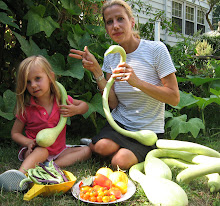
Tromboletta zucchini. Those hanging zucchinis are male, for obvious reasons. Plus, unchecked, the vigorous vines could overtake an entire backyard.

Tuscan kale is male, with its dark leaves, pebbled texture and plant heft and height.

Eggplants are male. I really gave this some thought because I just couldn’t quite decide. The leaves have a soft underside and the flowers are quite interesting. But they have a tough skin and take just sooo, sooo long to mature, if they do at all. Are they worth the wait? Some say eggplant is an acquired taste. But with the proper care and attention, eggplant can be trained and transformed in the kitchen into a variety of palatable dishes. That transformation is by a female hand, of course.

That’s not everything growing in my garden by any means. I’ve barely considered the cucumbers. Perhaps one night this week, after everyone’s in bed, I’ll sit on the patio with a glass of wine, survey my surroundings as the season winds down, and figure out the sex of my radicchio.

But for now, I think I need a cigarette.

Tuesday, September 21, 2010

Edible Jewels

We mined over two pounds of amethysts from the earth this weekend.

I knew the first purple potatoes were ready when, upon harvesting some squash, I noticed that a set of potato vines had withered and largely separated themselves from the roots. So out they came.

Varied in size but not in their deep purple color, the fresh potatoes nearly filled our large colander. The timing was perfect as well: it was already late on a Sunday and I needed a carbohydrate to serve with a grilled chicken dinner.

Potatoes are usually cured outdoors for a few days before consumption or storage, but these begged to be savored fresh. Like last year, with the large russets we ate freshly-dug, these purple potatoes were pillowy soft and delicately nutty in flavor. Once gently cleaned, they glistened and glinted like deeply colored gemstones.

All they needed was 15 minutes of steaming, a pat of Plugra butter and a finishing crunch of sea salt.

The curing hardens the skins, which protects and preserves these jewels during winter storage. I’ll do so with the rest of our harvest. I found it odd that only one set of the purple potatoes were ready, but did not question the wisdom of Mother Earth. We dug carefully but thoroughly so as not to disturb the others. There are three more mounds of purple potatoes with hardy vines still going strong, plus a row of red potatoes and another of Yukon Golds maturing beneath the earth.
As an aside, the meal was a real farm-to-table last grasp of summer with volumes of just-picked produce: I grilled the pattypan squashes that I was picking when I discovered the potatoes, herbed-up the chicken before my plants die down next month and served some of the last corn on the cob of the season. But the nights are arriving earlier and growing colder. School began two weeks ago. I fear there’s not much time left.

Wednesday, August 11, 2010

Peach Picking

And more crucially, peach pie making!

We went peach picking over the weekend at a nearby farm. It was tremendous fun, and we must have picked a peck of ‘em. But I was transported into another world.

I was utterly captivated by the orchard, the soft and glossy leaves, the arching canopies of perfect peaches above, each peach more blushing and beautiful than the next. It was odd in a way. I’ve been apple picking and to farms many times before, but there was something almost unearthly about being there. I could have meandered all day, unaware of the time or any other being around me, wandering from tree to tree as the perfume of the ripe fruit and rich earth enveloped me.

I did, however, have my daughter with me to bring me back to earth. She started strong, respected the trees, and knew to twist the fruit just slightly in order to pick it and not damage the branch. Mike tends toward the orange peaches and took his time filling the bag given by the farm with our tickets. I wasted no space for them in my bag, and waited patiently for us to reach the white peach grove just down the hill. I couldn’t fill the bag with enough, it seemed. In the end, I think Mike, my daughter and I ate her weight in peaches before riding back on the tractor-rig. The sticky, dribbling juice on our chins and collars was a dead giveaway.

Once home and out of “context,” what seemed like an OK amount of fruit in the orchard turned into four insurmountable mountains of peaches that consumed the kitchen counters. We gave some to all the grandparents, ate a few more after Saturday dinner, sliced some at breakfast on Sunday, but were still left with a ton of fruit.

“Make a pie already!”

I think Mike expected one to magically appear from my oven the second we arrived home on Saturday afternoon. Good things come to those who wait: it was a warm and juicy midnight snack on Sunday night when Mike came home from a late news shift.

The ripe peaches peeled perfectly. Use the same process as for peeling tomatoes: shallowly score the bottom with an “X” . Briefly plunge them into simmering water. Remove, cool momentarily and slide the skin off.

As outlined in Pie 101, I flavored this crust with some cinnamon, doused the peaches in honey-bourbon, added the requisite cup of solids and made a lattice top. Baked peaches can be even more flavorful and concentrated than they are eaten raw.

We still have a lot of peaches left. We have a tentative get-together planned later this week, and if it comes together I’ll do a sponge base drenched in Amaretto simple syrup, a vanilla bean pastry cream (or maybe I’ll simply flavor some Mascarpone cheese), and sliced peaches overlapped in a radiant sunburst. A garnish of toasted, slivered almonds is optional – I’ll see if the mood strikes me. There’s no hot oven heating the summer kitchen involved in that one, and the peaches are ripening and sweetening as I type. Imagine what they’ll be like by the weekend.

Monday, August 2, 2010

Waiting for the Rain

The rain was supposed to come on Sunday, so we headed out in the morning to check the beds and harvest what had grown while the weather was still dry.

Pay dirt!

The chard was tall, thick and plentiful – just look at the glossy green leaves on the white variety. The radicchio (the last two of four heads) was huge, with green outer leaves and large, burgundy spherical centers. I removed the outer leaves (they can be pretty bitter), but kept them to wilt on a hot grill, which mitigates the flavor. The lemon cucumbers are coming in nicely, adding to the Kirby cucumber haul. We’ve been picking both red and orange cherry tomatoes for weeks, which never make it to the table; they’re so sweet straight off the vine. But our first really large tomato (German Gold, a pale orange variety) came off the vine with ease on Sunday. We left her blushing sisters to ripen just a bit further. We’ve got both Rosa Bianca and slender white eggplants on their way, as well as three dark green acorn squashes (too early!) almost ready to be picked and vines full of tennis-ball sized babies that should ripen into a basketful come September.

But no zucchini. Or pattypan squash. Naturally, just as soon as I’d made the boast that I was giving away mountains of produce did nature strike me back for the brag.

Last Sunday, we experienced a long, torrential downpour with force so violent that the beds were severely beaten down and some structures blown over. We lost power into the night as well. After righting the tomato cages and pole bean obelisks when the rain let up, I surveyed the damage. The center bed consisting mainly of squash had really taken a hit.

“Oh, they’ll bounce back,” I told myself. “They always do.” By midweek, some leaves were back up and filling in, but not many. Yesterday, I really looked: the storm severed a lot of the rambling vines right off of their main stems. Whatever little orbs I had growing on the vines before the storm were hollow, soft or simply dead. The vines themselves are bleached and turning dry. The main stems are trying to send off new shoots – nature is amazing – so I’ll keep you up to date on their success.

This weekend’s rain never did come. I really need to water, not just to keep up production, but to nurture the squash bed back to health.

But for now, let’s break even on Eco-nomics – I knew the chard would put me over the top. To be honest, I more than broken even a while ago. I haven’t been keeping up on the harvest tally like last year, and beyond this date, I may not do it to the dollar. Oh, the garden is producing – don’t get me wrong, I’ve picked more salads than I care to calculate, not even tallying the first two heads of radicchio – but I think I’ll keep a roundabout running total offline and approximate at the end of the season. And anyway, my pricing is admittedly somewhat less than scientific this time around and as last year, a bit on the low side.

Triple bale of chard $5
Radicchio $5
3 lbs cukes @ $.99/lb $2.97
3+ lbs cherry & other tomatoes @ $1.29 $3.87
2 lbs purple and yellow beans @1.29 $2.58
From $6.86 in the red last time: Ahead by $12.56

Wednesday, July 21, 2010

Mâche Salad with Quail Eggs

You’re only as good as your ingredients.

Well, if the fresh-picked mâche I served last night together with soft-boiled quail eggs, fragrant blushing apricots, soft baby sage leaves, glossy thyme and you-could-cut-it-with-a-spoon pork tenderloin were any indication, then I was Thomas Keller.

I’d been dying to use the lamb’s ear lettuce that I allowed to grow into little poufy bouquets. When I stumbled upon a dozen-pack of quail eggs at the farmer’s market this weekend, I knew I had to get them. Paired with the mache, a sweet sherry-shallot vinaigrette and just the right amount of yolk-ooze for richness, it was divinity on earth. Plus, my daughter loved just peeling and eating the little taupe and brown speckled orbs.

Also at the farmer’s market I found not just apricots, but fresh, firm, fragrant blushing apricots, boxes upon boxes that someone was physically removing from a trolley and emptying into a bin. I halved them, added a very little drizzle of honey, fresh chopped thyme, a crack of black pepper and canola oil. The honey is optional, really, because the fruit will caramelize into its own glossy glaze on the grill. The apricots behaved perfectly: they kept their shape once cooked, and developed the most sensuous sheen and sweetly savory flavor. I topped them with a drizzle of fig balsamic vinegar upon serving, and ringed them around the pork tenderloin on the serving platter.

For the pork, I blended in a Ziploc bag at least 1/4 cup of honey, a good dose my husband’s Evan Williams Reserve Honey Bourbon, two large cloves of microplaned garlic, sea salt, ground pepper and chopped thyme. The honey helped create the most incredible crust, further enhanced by a final sprinkle of sea salt before serving. I put the tenderloin on a blazing hot grill, turned it only twice, and that was it. I grilled the apricots while the pork rested.

To round out the meal, I went with an old favorite: white potatoes and sweet potatoes tossed in my Sherry vinegar, shallot and sage dressing. They’re good hot, cold, room temperature and especially the day after. I believe I’ve written about them before.

This all sounds elaborate, but the integration of ingredients on hand and the thread of common herbs and flavors across each dish was both fluidly intuitive and deliciously complementary. Each element just made sense. And it was, honestly, all fairly quick. Only peeling the potatoes was somewhat time consuming. The rest was toss, grill, serve and – most importantly - enjoy.

Honestly, I picked up my daughter from camp and gave her a snack after arriving home at 4:00 p.m. We chatted, she wanted some TV, and out of nowhere it was suddenly 5:00. To the tunes of Frankie Valli & The Four Seasons Greatest Hits, I started by picking my herbs outside and had everything on the table at 6:00 on the dot. I was completely in the zone.

I feel guilty for admitting the ease, because it also felt so good to serve a special weekday meal like this for just the three of us.

Eco-Nomics
Mâche from the garden: $5 (easily. I can’t believe what a single miniature plastic shell of this costs at Fairway, if they have it.)
Still in the red by $6.86. So close and yet so far!

Wednesday, July 14, 2010

Stuffed Squash

Earlier than anticipated, I’m already giving away produce.

One eight-ball zucchini plant produced her first little squash well over two weeks ago and the rest of them, obviously jealous, have been pumping them out to keep up. I had forgotten how productive summer squash can be once you pick the first fruit. The pale, tender green variety has been the most productive, but the sunny yellow and dark green types are catching up.

Either way, those sweet little orbs have made their way to friends and family. In our household, they’ve been cut into sticks to dip in hummus, halved and grilled, sliced and steamed, and as of last night, stuffed.

I first prepared cous cous then blended in Greek gigante beans in a light tomato base with a touch of garlic. I cut the stem tops off the squashes, hollowed out the inside, the slicked them (inside & out) with a little olive oil, garlic, salt and pepper. I quickly grilled them to blister the outsides and lightly sweeten the flavor while keeping the squash still firm. Once removed from the grill, I spooned in the cous cous mixture, topped them all with a final crunch of sea salt and a drizzle of olive oil, then served them with roasted red and yellow peppers fresh from the grill, which my husband chopped roughly and used as a garnish.

Squash aside, we’ve also harvested two pounds of wax beans and easily two pounds of Kirby cucumbers. Those barely make it to the table or into salads, as they’re just so crisp and delicious eaten whole while sitting on the patio, straight off the vine.

2 lbs wax beans @ $1.29 / $2.58
2 lbs cukes @ $.99 / $1.98
Conservatively, 5 lbs zucchini @ $.99 / $4.95
Many Salads of green & red looseleaf lettuce $2
Harvested: $11.51
Offsetting last “in the red” total of $23.37:
Still in the red by $11.86, but quickly closing the gap.

Tuesday, June 22, 2010

Grilled Butternut Squash

Sunday may have been Father’s Day, but the evening was a veritable celebration of Mother Earth.

I served a fresh-picked salad, added a flurry of basil over the main chicken dish and a chiffonade of sage over the sides, and presented a rhubarb pie sprinkled with fresh black raspberries for dessert - all of which came from the backyard.

Plus, I used the last of my butternut squash that was harvested last fall. Which is good, because I have eight Waltham Butternut Squash plants growing like gangbusters in my middle bed.

I couldn’t believe how well the squash was preserved after all this time. Once cut open, it was sweetly glistening and still as orange as I remembered that the first-picked were.

I wanted to go beyond the wintry preparations and pureés of squash that we’re all used to, so I thought of a classic combination to vary: butternut squash, sage and shaved parmesan cheese. I cut the two large squashes lengthwise, then spritzed some cooking spray on the outer skin sides. I then rubbed a blend of olive oil, garlic, sea salt, pepper and a touch of white wine vinegar to the flesh. I topped it all with the sage I’d picked while gathering basil leaves and salad greens.

I preheated the grill to about 400 degrees – a good roasting temperature – then placed the squash on, flesh side up, and closed the top so the grill would act as an oven. I turned them over after 15 minutes, when the sage had frizzled a bit and the garlic and olive oil had sizzled their way into flavoring the flesh of the squash.

Two rotations later (got to get those grill marks!) I removed them and immediately re-seasoned with a little salt and pepper, then the parmesan.

The skin was delicate and papery, but nutty and earthy, completely crumbly and edible. The flesh was soft and tasty even after a full period of winter and spring storage. In a way, I was sad to see the last of my squash go, but am really looking forward to this year’s harvest.

Wednesday, June 16, 2010

Eating Our Way Through the Backyard

It has begun.

On Saturday evening, my daughter ate her way through the backyard. Starting with our black raspberry bush, whose canes are producing like gangbusters this year, she picked the outer few while I waded into the thorny underbrush to get the rest. Dee-lish! After that, we hit the sugar snap peas, swollen from recent rain for the loudest “snap” with each sweet bite. She ventured on to both purple and green basil – a nice garnish, she said. I nibbled some outer leaves of my mache to try, but she took a pass and “traded” me for my share of the sugar snaps. We’ve also picked the equivalent of a $3.99 grocery-store clamshell of mesclun for a few salads so far this year.

It wasn’t exactly a feast that night, but it was fun and it really felt like summer again.

And, like last year, things are just coming up on their own from seeds, compost, buried kitchen scraps or whatever wintered over. So far, we’ve got two types of climbing beans and no fewer than a dozen “secret” tomato plants popping up in the squash beds and elsewhere, which I have thinned to six of the strongest plants. The biggest surprise? Our secret potatoes. I looked out the back window last month during a rainy weekend and kept wondering about this weed, or something, that just kept getting bigger and bigger. When I ventured out on that finally-dry Monday afternoon, I recognized it immediately: it was a potato plant! Did we miss one of the fingerlings or russets during the harvest last year? I laughed so hard.

The funny thing is that when I told my daughter upon picking her up from kindergarten, she bolted out of the car and into the backyard, hunted around a bit then quickly identified it. Yes, we all know what a potato looks like, but how many of you out there know what the actual plant looks like?

That’s my girl. I’m proud of her. And the fun really has begun.

Eco-nomics update:
Romano Bean Seeds $0.80
Kirby Cucumbers $1.99
4-Pack of Tomatoes w/5 plants $1.99
Acorn Squash $1.79
Eggplants – 2 pks @$1.99 $3.98
Sugar Baby Watermelons $1.98
Subtotal: $10.55
Added to previous total $18.31
Total Spent: $28.86

Harvested:
Picked salad greens $3.99
Handfuls of sugar snaps $1.50

In the black by: $23.37

Wednesday, April 14, 2010

Starting Seedlings

We started our first seeds of the season indoors this weekend, and had our first “incidents” of the season within 24 hours.

My daughter and I on Saturday morning finally got around to sowing tomato seeds in a peat-pellet tray. The excitement and anticipation never disappoints, as she completely took over once we commenced operations at the kitchen counter. More skilled this year than last, she soaked the pellets, inserted the first tiny seeds into the swollen peat balls, then moved onto the next variety – without assistance or instruction from me. She became somewhat upset when I offered help!

In addition to the tomato seeds, we made a row of six sunflower seeds, which came from a packet given to her last year by my best friend. I’m excited about these, as they are not the “usual” yellow sunflowers. We grew those giants last year with great results, but these flowers come in mixed autumnal tones that should be rich, deep and dark.

We placed the covered tray near a sunny window, and no sooner did our cat Daisy lay atop it, crush the cover, and settle into the depressed “bed” that surrounded her. Not good.

The next morning, I awoke to find the tray overturned and on the floor, with peat pellets in piles. Not good either. I could barely tell if the seeds were still in the soil, much less discriminate between the tomato pellets and the sunflower pellets. That will be more apparent when they sprout, but until then, I need to keep an eagle eye on the tray. Remember that last year, Maisy clipped most of my celery root seedlings along with some others. And once fallen, the cats like to bat around the ball-shaped swollen pellets like toys, leaving looping trails of dirt and flakes of peat in their wake.

The tray is secured shut with a rubber band now and moved to a different window. We’ll keep you posted.

What We’re Growing this Year:
Pole Beans: Yellow Wax, Kwintus Beans, Emerité Filet Beans, Purple Podded pole beans
Summer squash: white and mixed-color pattypan; mixed color eightball zucchini
Winter squash: Butternut, Delicata
Red, White and Purple Potatoes (which we’ll buy and sprout in the coming weeks)
Tomatoes: Black Cherry, Sun Gold Cherry, Black Russian, Husky Gold and a red tomato from seeds given by a friend’s Polish Godmother.
Dwarf bok choy
Lemon Cucumbers

What’s in the Ground Now:
Rhubarb and Bright Lights Swiss chards
Mesclun mix, Mache, Radicchio
Tuscan Lacinato Kale
Sugar Snap Peas
Golden Beets

What I’ll Pick-up at the Nursery after the Last Frost Date:
Either Rosa Bianca or White Eggplant
Purple and Green Basil
Kirby Cucumber plants
Maybe a Roma and/or Big Boy tomato plant or two

Whatever I purchase will be included in this year’s Eco-Nomics, which so far is pretty low.

Tuesday, April 6, 2010

Early Beginnings

The farm has begun.

Tuscan kale, sugar snap peas, rhubarb Swiss chard, rainbow Swiss chard, a row of golden beets and wide patch of baby lettuces are all in the ground. Save the $1.19 mesclun mix, every seed was left over from last year or the year before. They’re still viable, and coming up.

When I purchased the mesclun seeds early last month, I had to exercise some restraint. When we see the first seed stands of the season, my daughter and I both become wide-eyed and energized. I’m like a kid in a candy store – full of hope for the growing season to come. Then we’ll bounce from store to store to see if other seed stands are up and running. She just goes insane, picking packet after packet until they spill out of her little hands. “Let’s grow this!” “Can we grow corn?” “I want the carrots again!”

Ah, that “again.” I knew we had some red carrot seeds from last year, but hadn’t taken a full seed inventory and didn’t remember precisely what I had on hand. We bought just the mesclun mix (with one of us leaving the store moping) then headed home to check our stock.

We had just about everything in the quantities needed for a good harvest. We did not, however, have enough varieties to fill all of the beds. I want to try more “storable” items for winter, like squashes, maybe parsnips and definitely more potatoes than I did last year. I also wanted a few different summer crops, specifically yellow wax beans.

My favorite catalog, John Scheepers, had only a bush variety. Plus, all the seeds I’m re-using this year are Scheepers seeds. Should I forsake them for a different company? I did: Jung Seeds had a climbing wax bean, “Kentucky Wonder,” so my daughter and I and I built an order around it.

Along with the pole beans, we chose mixed color eight ball zucchini, mixed pattypan squash, mache (or lamb’s ear lettuce) and dwarf pak choi.

The baby bok choy was an impulse at the end – a good one, I hope. It’s easy to grow and quick to harvest. And we like vegetarian stir-fries in this household.

The seeds haven’t come yet … I’m getting a little worried. The time for planting the mache will soon pass.

So, with seeds in the ground and more on the way, I may as well start the Eco-Nomics for the season:

Mesclun seeds $ 1.19
Jung Seeds $16.12
Total: $18.31

Inventory also went beyond seeds. I have peat pellets left over from last year, along with the reusable growing trays and half a bag of seed starting mix. My daughter and I will start our tomato seeds this week.