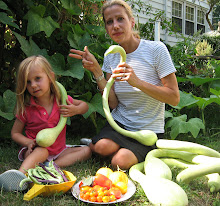
Remember being charded-out last year? We’re not quite at that point, but these greens have made their way into lentil dishes, pasta dinners and numerous steamed or sautéed sides. I’ve also been doing “the swap” – changing out the spinach in pasta with spinach and white beans with Swiss chard, like last year and, finally, for broccoli rabe in that classic prep with sweet sausage.
The dish worked. Another plus was that the chard did not need to be blanched and rinsed before cooking, like the broccoli rabe would.
While broccoli rabe does have a distinct flavor that can’t quite be matched by anything, the end result using the chard was quite tasty. I think the sausage and extra garlic helped, but in the end I added cannelini beans (a household staple and favorite) and tossed it together with mezzi rigatoni. Without the pasta, it’s a very good side dish. But the beans and rigatoni stretched it into two meals.
Swiss Chard (or Broccoli Rabe) with Sweet Sausage
Two large bunches of Swiss chard or broccoli rabe, stems chopped and leaves cut into ribbons
A long link of sweet Italian sausage, casing removed
Thick slice of sweet onion, rough-chopped
2 large cloves garlic, sliced thin; three cloves if that’s what you’re after
1 15 oz. can of cannellini beans, drained and well rinsed (optional)
1 T. flour
4 T. good olive oil
Salt & a lot of cracked black Pepper
¼ C. white wine
¼ C. chicken broth
Wedge of Lemon
½ Lb. pasta, your choice of shape, if using.
Over medium heat, heat the olive oil in a wide sauté pan fitted with a lid. Add the sausage and break it up in the pan. Sauté until nearly browned. Add the garlic and the onions and sweat them until softened. Sprinkle the flour and sauté until well-integrated and lightly golden, about 2 minutes.
Add the beans if using, a very generous amount of black pepper, stir to coat. Add your wine and broth, stir and scrape; it will thicken. Add your greens and salt. Stir to integrate. Lower your flame to low and cover with lid. Allow to cook together for at least 5 minutes. Test for desired doneness.
Blend all together and toss in your pasta, adding pasta water if necessary. Test, re-season, and finish with the juice of your lemon wedge, a glistening drizzle of olive oil & serve.
Showing posts with label cannelini beans. Show all posts
Showing posts with label cannelini beans. Show all posts
Monday, December 13, 2010


Friday, August 14, 2009
Pasta with Spinach and White Beans
I harvested not a bale but a bushel of chard last week.
We’re a little charded-out at this point. I love it, simply steamed or sautéed. It reminds me of eating spinach, with oxalic acid and iron coating your teeth and minerals & nutrients coursing through your veins. All right, so that doesn’t exactly sound like a selling point to most, and it’s also why few members of my family will take any chard off my hands. I never realized I would have so much for the entire growing season, so I’ve had to be creative. I think I hit it this time, though: swap my chard in mass quantities for the spinach in pasta with spinach and white beans.
I’ve mentioned this dish before – a standby favorite in the household, for which I always have all the ingredients on hand. Mike likes penne, orecchiette or a similar shape (don’t use spaghetti or the like), with more vegetable base than pasta.
This time, I used some pillowy gnocchi instead of a pasta shape and went pretty heavy on the vegetable (for obvious reasons), including the colorful stems. He loved it, heaped into a bowl and topped with fresh grated Romano cheese. I also passed some along to my father when I stopped by for a visit– he devoured half on the spot (cold!) then heated the remainder for lunch the next day. Why hadn’t I thought of this trading tactic before?

Add the beans, a very generous amount of black pepper, stir to coat. Add your wine and broth, stir and scrape; it will thicken. Add your spinach and salt. Stir to integrate. Lower your flame to low and cover with lid. Allow to cook together for at least 5 minutes. **Note: That time is for frozen spinach and for a normal quantity of fresh. I had a LOT of fresh greens. It went in in two batches until it all cooked down, taking longer than 5 mins.

Add your parsley and capers, if using, blend all together and toss in your pasta, adding pasta water if necessary. Finish with the juice of your lemon wedge, a glistening drizzle of olive oil (if desired) & serve.
We’re a little charded-out at this point. I love it, simply steamed or sautéed. It reminds me of eating spinach, with oxalic acid and iron coating your teeth and minerals & nutrients coursing through your veins. All right, so that doesn’t exactly sound like a selling point to most, and it’s also why few members of my family will take any chard off my hands. I never realized I would have so much for the entire growing season, so I’ve had to be creative. I think I hit it this time, though: swap my chard in mass quantities for the spinach in pasta with spinach and white beans.
I’ve mentioned this dish before – a standby favorite in the household, for which I always have all the ingredients on hand. Mike likes penne, orecchiette or a similar shape (don’t use spaghetti or the like), with more vegetable base than pasta.
This time, I used some pillowy gnocchi instead of a pasta shape
 and went pretty heavy on the vegetable (for obvious reasons), including the colorful stems. He loved it, heaped into a bowl and topped with fresh grated Romano cheese. I also passed some along to my father when I stopped by for a visit– he devoured half on the spot (cold!) then heated the remainder for lunch the next day. Why hadn’t I thought of this trading tactic before?
Next treatment: Swap it for the broccoli rabe in a classic prep with sweet sausage. I’ll let you know how it turns out.
Pasta with Spinach and White Beans
2 block pkgs frozen chopped spinach, thawed and squeezed a bit (keep some juice) or your choice of fresh greens, chopped; at least 8 cups (it cooks down to nothing)
half a sweet onion, diced
two large cloves garlic, minced
1 15 oz. or 19 oz. can of cannellini beans, drained and well rinsed
1 T. flour
4 T. good olive oil
S & P ; pinch of red pepper flakes (optional)
¼ C. white wine
¼ C. chicken broth
¼ C. chopped fresh Italian parsley
1 T. chopped capers (optional)
Wedge of Lemon
½ Lb. pasta, your choice of shape
Over medium heat, heat the olive oil with red pepper flakes (if using) in a wide sauté pan fitted with a lid. Sweat the onion until soft and golden. Add the garlic and sauté a minute longer. Sprinkle the flour and sauté until well-integrated and lightly golden, about 2 minutes.
Add the beans, a very generous amount of black pepper, stir to coat. Add your wine and broth, stir and scrape; it will thicken. Add your spinach and salt. Stir to integrate. Lower your flame to low and cover with lid. Allow to cook together for at least 5 minutes. **Note: That time is for frozen spinach and for a normal quantity of fresh. I had a LOT of fresh greens. It went in in two batches until it all cooked down, taking longer than 5 mins.
Add your parsley and capers, if using, blend all together and toss in your pasta, adding pasta water if necessary. Finish with the juice of your lemon wedge, a glistening drizzle of olive oil (if desired) & serve.
Tuesday, August 4, 2009
In Praise of White Beans
When I posted last night, I planned on linking to my entry on cannellini beans when referring to white bean hummus. I scoured this site and no, I hadn’t written it! I still can’t believe it, since white beans are a family favorite and a standard pantry item in my household throughout the year. I become seriously alarmed if I don’t have at least a can on hand. You can’t go wrong with them, either: They’re good for fiber, 7g protein, complex carbohydrates and 10% iron per serving, and they can be used in infinite ways.
Well-rinsed and eaten straight, they’ve been one of my daughter’s favorite snacks since she started on solid food at 6-months (seriously). They’re easy to sprinkle over a salad for extra taste, texture, bite and bulk, or to add to many other dishes for the same reasons. Toss some into your next batch of summer bruschetta and you’ll see. Pasta with spinach and white beans is a default dinner item for my husband at any time when I don’t have anything thawed or planned – as are a half-dozen other meatless pasta dishes I’ve come up with using the white beans and other pantry and fridge items. White beans with a drizzle of very good olive oil, lemon and fresh chopped basil is an easy, 30-second addition to summer tapas, eaten straight or spooned onto crusty bread brushed with garlicky olive oil or garlic confit. I’ll use fresh thyme for a more autumnal flavor come September. Another tapa: warm, blistered roasted sweet peppers from the grill or oven, chopped, drizzled in garlic oil and blended with the beans. I could go on: the variations and uses are endless.

Canned vs. Dried: Canned beans are quick and easy. To be honest, my store brand cannelini beans in cans hold their shape the best, even cooked. Progresso brand is very good, too, but comes only in 19 oz. cans. I stock up on them whenever they’re on sale. I’ve never had luck with Goya (sometimes good, often pasty; inconsistent, which is surprising), Luigi Vitelli (no shape or tooth, just paste) or Colonna (ditto). Sorry to all of the above; hey, I have my housewife favorites, but you all know that by now.
You could also soak a 1 lb. bag of dried beans, which cost about the same as one large Progresso can, but will yield beans until kingdom come. It’s extremely economical, and you could do half the bag if desired. Plus, the remaining dry beans will keep until kingdom come. I tend to do this during the winter, when nothing warms you like a good bowl of Pasta e Fagiole soup. By the end of the week, I’ll make warm white beans with the rest, if they haven’t been used on salads or in other dishes. For a soup, braise or other heated recipe or dish, the dried beans hold their shape and tooth better than canned.
But, so far as summer goes and a starter on white beans, try this:
White Bean Hummus
One can, 14 oz or 19 oz, white Cannelini Beans, drained and rinsed
¼ cup good olive oil
One large clove garlic, chopped
¼ Lemon in a wedge for juicing
¼ cup loosely packed Italian parsley leaves
½ tsp sea salt, or to taste
pepper to taste
Equipment: Food processor or mini-chopper
Total time: under 10 minutes.
Place rinsed beans in food processor. Set aside.
Warm olive oil and garlic low and slow on the stovetop or in the microwave until garlic is soft and oil is very fragrant.
Drizzle over beans into food processor while running.
Squeeze lemon juice into mixture and process until smooth, or to desired consistency.
Add salt, pepper to taste and parsley, process to blend.
Serve in a bowl and lightly drizzle with extra olive oil as garnish.
Serve with vegetables, warmed flat bread, pita, toast, breadsticks, other.
Variations:
Extra lemon makes for a more tangy, hummus-y flavor.
Add a sprig of fresh rosemary to the olive oil and garlic while heating. Remove before processing, then rest sprig on top of finished dip for garnish. This is great on toasted Italian bread rubbed with garlic or as a sandwich spread.
When in season, replace the parsley with a generous amount of fresh basil leaves. Garnish with whole or finely cut basil leaves. This also is great on toasted Italian bread rubbed with garlic or as a sandwich spread.
Add a sprig or two of fresh thyme to the olive oil and garlic while heating. Remove before processing. Garnish with fresh chopped thyme leaves. Use Gala or other crisp, tart apples for dipping. Or, spoon onto a dinner plate and top with a grilled skinless boneless chicken breast, sliced.
Add a pinch of hot red pepper flakes to the olive oil and garlic while heating for some zing.
Or invent your own version!
Well-rinsed and eaten straight, they’ve been one of my daughter’s favorite snacks since she started on solid food at 6-months (seriously). They’re easy to sprinkle over a salad for extra taste, texture, bite and bulk, or to add to many other dishes for the same reasons. Toss some into your next batch of summer bruschetta and you’ll see. Pasta with spinach and white beans is a default dinner item for my husband at any time when I don’t have anything thawed or planned – as are a half-dozen other meatless pasta dishes I’ve come up with using the white beans and other pantry and fridge items. White beans with a drizzle of very good olive oil, lemon and fresh chopped basil is an easy, 30-second addition to summer tapas, eaten straight or spooned onto crusty bread brushed with garlicky olive oil or garlic confit. I’ll use fresh thyme for a more autumnal flavor come September. Another tapa: warm, blistered roasted sweet peppers from the grill or oven, chopped, drizzled in garlic oil and blended with the beans. I could go on: the variations and uses are endless.

Canned vs. Dried: Canned beans are quick and easy. To be honest, my store brand cannelini beans in cans hold their shape the best, even cooked. Progresso brand is very good, too, but comes only in 19 oz. cans. I stock up on them whenever they’re on sale. I’ve never had luck with Goya (sometimes good, often pasty; inconsistent, which is surprising), Luigi Vitelli (no shape or tooth, just paste) or Colonna (ditto). Sorry to all of the above; hey, I have my housewife favorites, but you all know that by now.
You could also soak a 1 lb. bag of dried beans, which cost about the same as one large Progresso can, but will yield beans until kingdom come. It’s extremely economical, and you could do half the bag if desired. Plus, the remaining dry beans will keep until kingdom come. I tend to do this during the winter, when nothing warms you like a good bowl of Pasta e Fagiole soup. By the end of the week, I’ll make warm white beans with the rest, if they haven’t been used on salads or in other dishes. For a soup, braise or other heated recipe or dish, the dried beans hold their shape and tooth better than canned.
But, so far as summer goes and a starter on white beans, try this:
White Bean Hummus
One can, 14 oz or 19 oz, white Cannelini Beans, drained and rinsed
¼ cup good olive oil
One large clove garlic, chopped
¼ Lemon in a wedge for juicing
¼ cup loosely packed Italian parsley leaves
½ tsp sea salt, or to taste
pepper to taste
Equipment: Food processor or mini-chopper
Total time: under 10 minutes.
Place rinsed beans in food processor. Set aside.
Warm olive oil and garlic low and slow on the stovetop or in the microwave until garlic is soft and oil is very fragrant.
Drizzle over beans into food processor while running.
Squeeze lemon juice into mixture and process until smooth, or to desired consistency.
Add salt, pepper to taste and parsley, process to blend.
Serve in a bowl and lightly drizzle with extra olive oil as garnish.
Serve with vegetables, warmed flat bread, pita, toast, breadsticks, other.
Variations:
Extra lemon makes for a more tangy, hummus-y flavor.
Add a sprig of fresh rosemary to the olive oil and garlic while heating. Remove before processing, then rest sprig on top of finished dip for garnish. This is great on toasted Italian bread rubbed with garlic or as a sandwich spread.
When in season, replace the parsley with a generous amount of fresh basil leaves. Garnish with whole or finely cut basil leaves. This also is great on toasted Italian bread rubbed with garlic or as a sandwich spread.
Add a sprig or two of fresh thyme to the olive oil and garlic while heating. Remove before processing. Garnish with fresh chopped thyme leaves. Use Gala or other crisp, tart apples for dipping. Or, spoon onto a dinner plate and top with a grilled skinless boneless chicken breast, sliced.
Add a pinch of hot red pepper flakes to the olive oil and garlic while heating for some zing.
Or invent your own version!
Monday, August 3, 2009
Things to do with a Heavy Harvest
It's not that heavy yet, but half the fun of growing it is giving it away: I can’t imagine anyone turning down a surprise basket of freshly picked vegetables topped with a bouquet of basil and other herbs. But the better half to me is figuring out what to do with it all and inventing new favorites along the way. True, baking is science and you should measure, but cooking is a conversation: let the ingredients take you where they may, and the night lead you where it might. It’s feeling, emotion, l’amore!
I’d mentioned earlier that I’m on my way to writing “Chard 118 Ways” and that should have its own entry. My chervil is a large, productive cloud of delicate green fronds. The cucumbers, both green and yellow, have made their way into newly minted salads (both green and grain salads) and of course into tzatziki recently. Due to the rains, the vines are laden with fruit. The filet beans are still the best simply steamed. I don’t want this to become a laundry list of uses and recipes, so I’ll touch on just three items: Kwintus pole beans, purple beans and pattypan squash.
I’ve done a lot with the Kwintus beans, as noted in quite a few previous entries. But I somehow brought out a new layer of nutty flavor last week when I hosted a dinner. Because the beans are larger and wouldn’t fall through the grates, I decided to grill them at the last minute. I took the meat off the grill to rest before serving, did a quick brush cleaning of the grates, and set to work.
I made my basic grilling toss of olive oil, garlic, S & P, and then finished the grilled beans with a generous douse of fresh lemon juice, parsley and shavings of good Romano cheese and Whoa! They were crisp and still green, yet blistered and black – unbelievably savory and sexy as hell to look at, glistening and tangled together, entwined on a rustic Tuscan pottery platter. I could have made a meal out of them and licked the plate clean. But I had guests over that night and had to pray for leftovers. There weren’t any.
 While we grew them last year, Mike has discovered the purple pole beans this summer. I feel as if I’ve rediscovered them a bit myself: I do not remember the color being so velvety, deep and dramatic. They’re just gorgeous! They turn green when cooked, but are largely eaten raw in our household, with long ones sliced in half on a diagonal and eaten plain or with store bought or home made hummus or a basil-y version of my white bean hummus. I served these purple beans raw and cut in half on the bias, their pencil-point tips sticking upward in two chilled cocktail glasses in the aforementioned dinner as somewhat of an afterthought. They were just healthy nibblies served with appetizers, then kept on the table through dinner. All were gone at the end of the night. This weekend, I sliced them into centimeter pieces and tossed them into a summer standard bean salad (cannelini and pink or pinto beans, celery, tomato, loads of parsley, red vinaigrette) – you can’t go wrong with extra crunch and greenery, or purple-ry in this case.
The pattypans are new to my husband – he’d never had them before, or knew they existed. I still remember when he first discovered them growing in the squash patch, asking “What in the heck are those disk things growing outside?” I thought he’d discovered a fungus or mushrooms which, considering all the rain we’ve had, would be our most prolific crop this year, if edible. With their ruffly edges and flying-saucer shape, Mike was a bit skeptical of the squash. But the proof is in the pudding, and taste: Tossed in olive oil, microplaned garlic, lemon juice, S & P, then grilled and finished with a flurry of fresh parsley (and/or basil), he’s convinced now.
I will do exactly that with my Rosa Bianca eggplants – if the plants would even grow! They are tropical and need constant heat. We have had a ton of rain and very cool nights, with barely a day reaching 90 degrees yet this summer. Good for my water and electric bills, but not for the eggplants. I could do an entire entry on just the weather conditions and how they’re affecting the crops – maybe I will. Suffice it to say, many foods are very, very late compared to years past, including tomatoes (barely a half-pint of Sungold Cherries so far) and notably the Zuchetta Trombolina (not a single one yet). That was my earliest heavy-harvest summer crop last year and the most eagerly-awaited this year.
But I am grateful for the success of the garden so far. Very pleased, actually, with the amount of production.
In fact, I’ll quickly add here another bale of Swiss chard ($2.50), another pound and a half of lemon cukes and ½ lb. kirbies ($2), a gorgeous nearly-two-pound bunch of red carrots ($2) and a big basket of beans ($4, all varieties) to the Eco-nomics Harvest:
Expenditures: $49.70
Less Harvest: $49.10 ($21.56 + $17.04 + $10.50, this entry)
Total: - $0.60
I’d mentioned earlier that I’m on my way to writing “Chard 118 Ways” and that should have its own entry. My chervil is a large, productive cloud of delicate green fronds. The cucumbers, both green and yellow, have made their way into newly minted salads (both green and grain salads) and of course into tzatziki recently. Due to the rains, the vines are laden with fruit. The filet beans are still the best simply steamed. I don’t want this to become a laundry list of uses and recipes, so I’ll touch on just three items: Kwintus pole beans, purple beans and pattypan squash.
I’ve done a lot with the Kwintus beans, as noted in quite a few
 previous entries. But I somehow brought out a new layer of nutty flavor last week when I hosted a dinner. Because the beans are larger and wouldn’t fall through the grates, I decided to grill them at the last minute. I took the meat off the grill to rest before serving, did a quick brush cleaning of the grates, and set to work.
I made my basic grilling toss of olive oil, garlic, S & P, and then finished the grilled beans with a generous douse of fresh lemon juice, parsley and shavings of good Romano cheese and Whoa! They were crisp and still green, yet blistered and black – unbelievably savory and sexy as hell to look at, glistening and tangled together, entwined on a rustic Tuscan pottery platter. I could have made a meal out of them and licked the plate clean. But I had guests over that night and had to pray for leftovers. There weren’t any.
 While we grew them last year, Mike has discovered the purple pole beans this summer. I feel as if I’ve rediscovered them a bit myself: I do not remember the color being so velvety, deep and dramatic. They’re just gorgeous! They turn green when cooked, but are largely eaten raw in our household, with long ones sliced in half on a diagonal and eaten plain or with store bought or home made hummus or a basil-y version of my white bean hummus. I served these purple beans raw and cut in half on the bias, their pencil-point tips sticking upward in two chilled cocktail glasses in the aforementioned dinner as somewhat of an afterthought. They were just healthy nibblies served with appetizers, then kept on the table through dinner. All were gone at the end of the night. This weekend, I sliced them into centimeter pieces and tossed them into a summer standard bean salad (cannelini and pink or pinto beans, celery, tomato, loads of parsley, red vinaigrette) – you can’t go wrong with extra crunch and greenery, or purple-ry in this case.
The pattypans are new to my husband – he’d never had them
 before, or knew they existed. I still remember when he first discovered them growing in the squash patch, asking “What in the heck are those disk things growing outside?” I thought he’d discovered a fungus or mushrooms which, considering all the rain we’ve had, would be our most prolific crop this year, if edible. With their ruffly edges and flying-saucer shape, Mike was a bit skeptical of the squash. But the proof is in the pudding, and taste: Tossed in olive oil, microplaned garlic, lemon juice, S & P, then grilled and finished with a flurry of fresh parsley (and/or basil), he’s convinced now.
I will do exactly that with my Rosa Bianca eggplants – if the plants would even grow! They are tropical and need constant heat. We have had a ton of rain and very cool nights, with barely a day reaching 90 degrees yet this summer. Good for my water and electric bills, but not for the eggplants. I could do an entire entry on just the weather conditions and how they’re affecting the crops – maybe I will. Suffice it to say, many foods are very, very late compared to years past, including tomatoes (barely a half-pint of Sungold Cherries so far) and notably the Zuchetta Trombolina (not a single one yet). That was my earliest heavy-harvest summer crop last year and the most eagerly-awaited this year.
But I am grateful for the success of the garden so far. Very pleased, actually, with the amount of
 production.
In fact, I’ll quickly add here another bale of Swiss chard ($2.50), another pound and a half of lemon cukes and ½ lb. kirbies ($2), a gorgeous nearly-two-pound bunch of red carrots ($2) and a big basket of beans ($4, all varieties) to the Eco-nomics Harvest:
Expenditures: $49.70
Less Harvest: $49.10 ($21.56 + $17.04 + $10.50, this entry)
Total: - $0.60
Tuesday, January 20, 2009
Something to Warm You to the Core
I made an appetizer last night for a dinner we attended that would warm you to the core. A necessary action, considering the amount of snow we’ve had this month. I came across the recipe for “Braised Cannellini Beans with Garlic, Marjoram and Oregano” on page 31 of this month’s Gourmet, and it reminded me completely of a bean dish that I make with fresh rosemary. I had everything I needed on hand, including some additional items to serve with it.
Actually, the recipe was pretty much the same thing I make except that it called for fresh marjoram and dried oregano. Now, I’m not a dried oregano person – fresh is good, dry is bitter and harsh to me. But I did it "The Gourmet Way" using two 15-oz cans of Cannellini beans, about ¼ cup of their liquid and chicken stock to make up the difference in liquid called for in the recipe. I even went out to the two spots in my backyard where my herbs grow to obtain the marjoram. I had to try both spots, because upon clearing the snow in the first area where the bigger specimens grow, I was reminded that, “Oh, yeah … we’ve had two sleet and ice storms recently.” I couldn’t scratch or scrape through the layers of ice barehanded. Believe me, I tried. Squirrels perched atop the side fence cackled at me. And yes, I went out without a hat, coat or gloves because A) I thought it would be a fast trip, and B) I was just plain excited at the prospect of even just a little greenery picked fresh from the garden. Fortunately, the second, more sheltered spot yielded the little leaves I needed.
The results were herbaceous and subtle, comforting and soothing. I liked it more, at least in a different way, than my rosemary beans, which if not watched and tested can become piney. I served the warm beans over thinly sliced, toasted Italian bread brushed with garlic olive oil. I also put a trio of condiments on the side: thinly sliced plum tomatoes and/or roasted red peppers to place on the toasts before the beans, and shavings of Romano cheese to top the beans. Any combination thereof worked well. It all went, right down to the last shard of Romano. And I would make it again.
Actually, the recipe was pretty much the same thing I make except that it called for fresh marjoram and dried oregano. Now, I’m not a dried oregano person – fresh is good, dry is bitter and harsh to me. But I did it "The Gourmet Way" using two 15-oz cans of Cannellini beans, about ¼ cup of their liquid and chicken stock to make up the difference in liquid called for in the recipe. I even went out to the two spots in my backyard where my herbs grow to obtain the marjoram. I had to try both spots, because upon clearing the snow in the first area where the bigger specimens grow, I was reminded that, “Oh, yeah … we’ve had two sleet and ice storms recently.” I couldn’t scratch or scrape through the layers of ice barehanded. Believe me, I tried. Squirrels perched atop the side fence cackled at me. And yes, I went out without a hat, coat or gloves because A) I thought it would be a fast trip, and B) I was just plain excited at the prospect of even just a little greenery picked fresh from the garden. Fortunately, the second, more sheltered spot yielded the little leaves I needed.
The results were herbaceous and subtle, comforting and soothing. I liked it more, at least in a different way, than my rosemary beans, which if not watched and tested can become piney. I served the warm beans over thinly sliced, toasted Italian bread brushed with garlic olive oil. I also put a trio of condiments on the side: thinly sliced plum tomatoes and/or roasted red peppers to place on the toasts before the beans, and shavings of Romano cheese to top the beans. Any combination thereof worked well. It all went, right down to the last shard of Romano. And I would make it again.
Subscribe to:
Posts (Atom)